NEUROLOGY + NEUROSURGERY
SAH
Prompt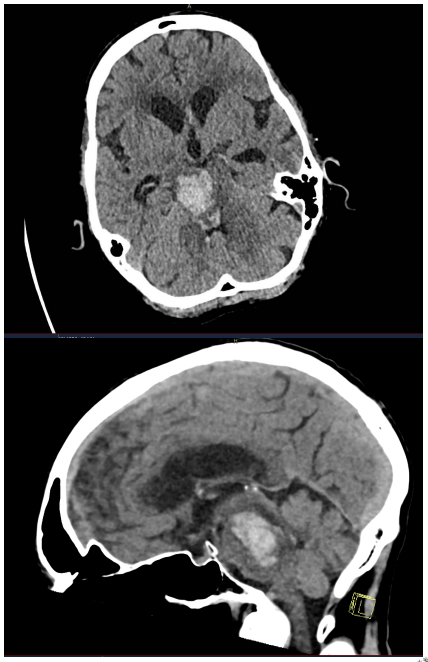
Response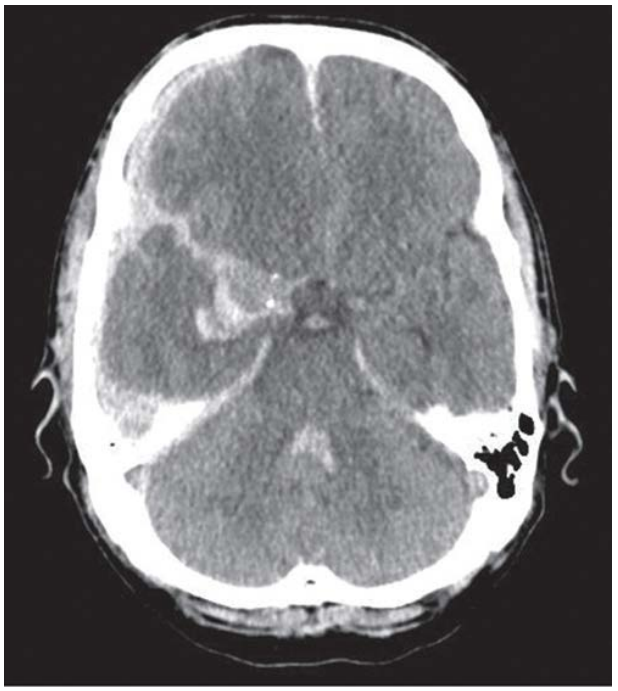
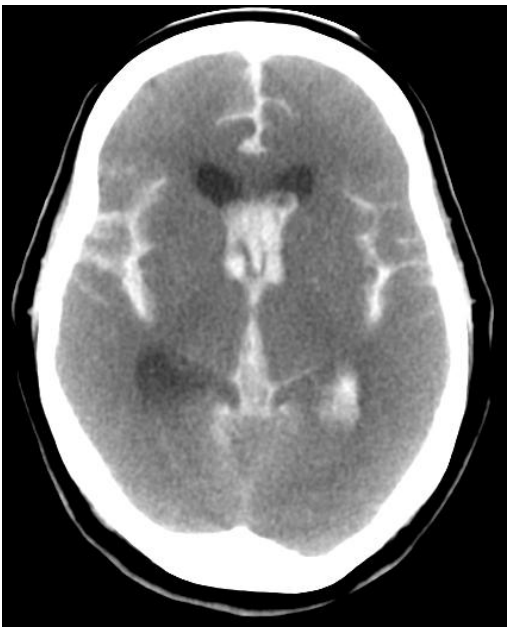
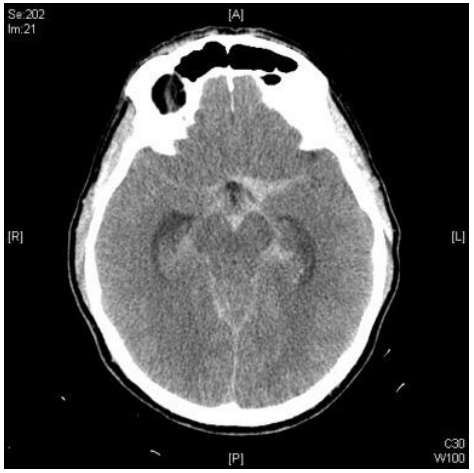
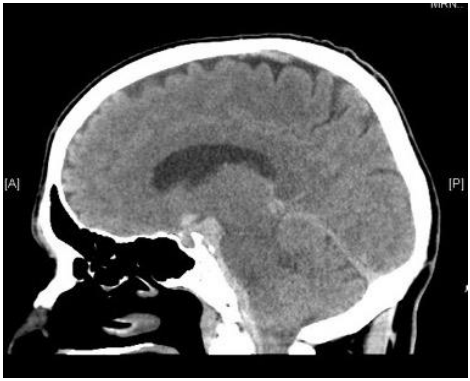
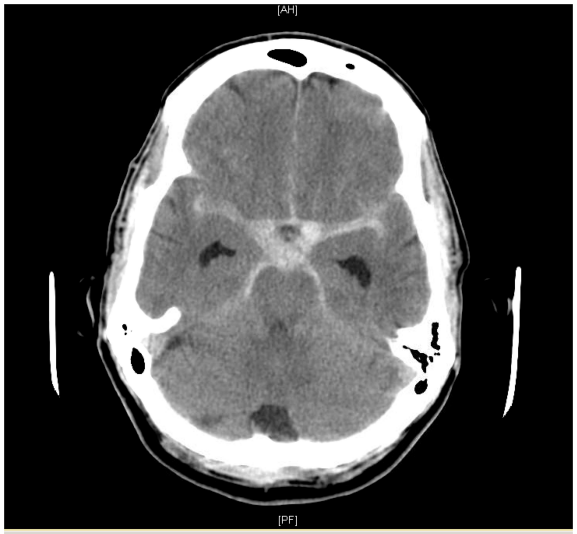
PromptCauses of SAH
ResponseAneurysmal (majority of SAH)
Non aneurysmal
AVM
Angioma
Neoplasm
Traumatic
Non aneurysmal
AVM
Angioma
Neoplasm
Traumatic
PromptNeed to interpret a lot of CT brains. Here are some catch phrases that might help to pad out your answer. There were probably 50+ in past exams to go through
ResponseHyperdensity “location” consistent with acute bleed.
Extensive SAH
Intraventricular bleed (or no intraventricular blood) + location
Dilation of lateral horns mass effect from bleed causing hydrocephalus
Midline shift to L/R (+ ? severity/displacement)
Loss of gray/white differentiation - Oedema
No tonsilar herniation
No signs of trauma (soft tissue swelling or bony fracture)
Extensive SAH
Intraventricular bleed (or no intraventricular blood) + location
Dilation of lateral horns mass effect from bleed causing hydrocephalus
Midline shift to L/R (+ ? severity/displacement)
Loss of gray/white differentiation - Oedema
No tonsilar herniation
No signs of trauma (soft tissue swelling or bony fracture)
PromptOttawa SAH rule
ResponseRule out tool (like perc) not a scoring system. 100% sensitive during validation study.
Age >=40
Neck pain/stiffness
Witnessed LOC
Onset during exertion
Thunderclap headache
Limited flexion on examination
CT HEAD - Collapse, Thunderclap, Hurty neck, Exertional, Age ?40, Decreased flexion
Age >=40
Neck pain/stiffness
Witnessed LOC
Onset during exertion
Thunderclap headache
Limited flexion on examination
CT HEAD - Collapse, Thunderclap, Hurty neck, Exertional, Age ?40, Decreased flexion
PromptRisk factors for SAH
ResponseSmoking
Htn
EtOH abuse
Family history
Htn
EtOH abuse
Family history
PromptClinical features of SAH
ResponseHeadache (thunderclap) - typically 25% of people with thunderclap HA have SAH
Onset during strenuous exercise
Neck pain
Neck stiffness
Photophobia
Transient or prolonged decrease in consciousness
Seizures
nausea/vomiting
Focal neurologic signs
Onset during strenuous exercise
Neck pain
Neck stiffness
Photophobia
Transient or prolonged decrease in consciousness
Seizures
nausea/vomiting
Focal neurologic signs
PromptCatastrophic bleed - information to include in family discussion
ResponseDiagnosis: acute _________ bleed
Prognosis - most likely to be life ending event, if survived will have severe neurologic deficits
Patients wishes - any previously expressed wishes, ?values on independence
Plan - ceiling/goals of care discussion
Expected course of illness + disposition
Prognosis - most likely to be life ending event, if survived will have severe neurologic deficits
Patients wishes - any previously expressed wishes, ?values on independence
Plan - ceiling/goals of care discussion
Expected course of illness + disposition
PromptSAH within 6 hours of presentation
ResponseCT brain ~98.5% sensitive, 99.5% specific for detecting SAH
Sensitivity for SAH
Reduced with increasing time after onset
Reduced in non consultant report
Reduced in small volume bleed
Sensitivity for SAH
Reduced with increasing time after onset
Reduced in non consultant report
Reduced in small volume bleed
PromptSAH after 6 hours of presentation - Pros/cons of CT over LP
ResponseLP:
Pro
Pro
Pro
- Diagnose SAH with xanthochromia (red cell breakdown products - bilirubin and oxy-hemoglobin)
- Identify meningitis if differential
- Invasive, not all centres have access to spectrophotometry for xanthchromia studies.
- Traumatic tap in ~15-20%, can be technically difficult if fat
- Perform 12 hours from onset, time consuming
Pro
- diagnose aneurysm (Managable cause),
- Diagnose alternate cause for headache (eg: vertebral artery dissection, venous sinus thrombus)
- Non invasive
- Aneurysm rate ~1-2%, may be asymptomatic (incidental/unrelated).
- Radiation
- IV contrast required ? reaction
PromptIndications for CT prior to LP
ResponseSigns of raised intracranial pressure - papilloedema, bradycardia/hypotension
GCS <14
Immunosuppression
Focal neurologic deficit
New onset seizure
CNS disease (mass lesion, AVM, etc)
Older age
Suspected SAH
GCS <14
Immunosuppression
Focal neurologic deficit
New onset seizure
CNS disease (mass lesion, AVM, etc)
Older age
Suspected SAH
PromptWhat are negative LP findings
ResponseAbsence of xanthchromia
Zero or few RBC’s (<5)
Zero or few RBC’s (<5)
PromptManagement of intracranial bleed
ResponseAirway protection
- Fentanyl premed prior to intubation
- Avoid ETT tube ties (obstructs venous return) - use tape
- Maintain CPP - metaraminol on standby
- pCO2 30-35
- pO2 >80
- Head up 30 degrees
- Normothermia
- Normoglycemia 6-10
- Morphine + midazolam
- Invasive BP monitoring
- SBP <140 (?<160), NO permissive hypotension, MAP >80m or SBP 100-110
- Hydralazine 5mg aliquots to 20 mg, GTN/SNP titrated to endpoints (Some say not nitrates?. RNSH Labetalol, hydralazine, metoprolol)
- Metoprolol 2.5mg aliquots to HR
- Early vs delayed clipping
- ICP monitoring
- EVD for monitoring/CZF draining if developing hydrocephalus
- Nimodipine infusion 1mg/h titrate to 4mg/h (Or 60 mg QID)
- IDC + hourly measures (Diabetes insipidus/SIADH)
- NGT if intubated
- Correct electrolyte abnormalities (aim sodium high normal)
- Coagulation abnormalities
- Maintenance fluids (isotonic)
PromptMgmt of blown pupil
Response3% saline 3 mL/kg (aim Na <155)
Mannitol 0.5 -1 g/kg (20%) solution
Mannitol 0.5 -1 g/kg (20%) solution
PromptComplications of SAH
ResponseRe-bleeding
Seizure
Hydrocephalus
Hyponatraemia
Cerebral vasospasm
Hypoxia from pulmonary oedema
Seizure
Hydrocephalus
Hyponatraemia
Cerebral vasospasm
Hypoxia from pulmonary oedema
PromptName some scoring systems for SAH
ResponseWFNS (world fedaration for Neurosurgical Societies) - clinical /5. (needed to describe this in one Q)
WFNS and H+H basically 1=very mil, 5= catastrophic. Fill in the rest?
Fischer - radiologic /4.
- GCS 15
- GCS 13-14 + no focal deficit
- GCS 13-14 + focal deficit
- GCS 7-12
- GCS 3-6
WFNS and H+H basically 1=very mil, 5= catastrophic. Fill in the rest?
Fischer - radiologic /4.
PromptHypoxia post SAH
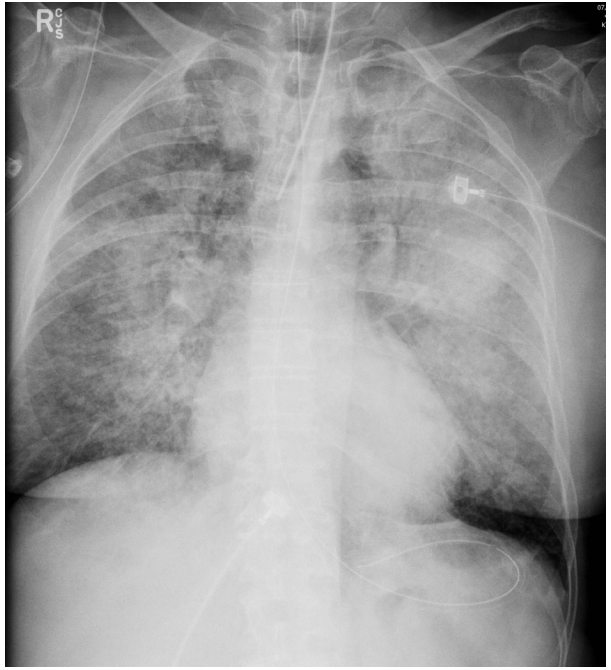
ResponseNon cardiogenic pulmonary oedema
Bilateral symmetrical pulmonary infiltrates
Perihilar prominence
Alveolar in pattern
Managed with increased PEEP
Bilateral symmetrical pulmonary infiltrates
Perihilar prominence
Alveolar in pattern
Managed with increased PEEP