PSYCHIATRY
EATING DISORDERS - ANOREXIA NERVOSA
PromptDiagnostic criteria for Anorexia nervosa
ResponseBMI <17.5 (or <85% expected body weight)
Weight loss is self induced
One or more of
Weight loss is self induced
One or more of
- Body image distortion (delusional belief of being overweight even when dramatically thin)
- Self induced vomiting/purging
- Excessive exercise
- Associated endocrine disorders (Eg: Amenorrhoea >3 consecutive months for post menarche females)
PromptHistoric features of eating disorder
ResponseIntense fear of gaining weight
Preoccupation with body image/dysmorphia
Change in eating habits - intense dieting
Excessive or compulsive exercise
Significant weight fluctuations
Obsessive food rituals
Induced purging after meals/laxitive use
Deceptive/secretive behavior around food
Menstrual history ? Dysmenorrhoea
Symptomatic - Postural symptoms, collapse
Weight profile - Current weight/premorbid weight, timing of loss
Preoccupation with body image/dysmorphia
Change in eating habits - intense dieting
Excessive or compulsive exercise
Significant weight fluctuations
Obsessive food rituals
Induced purging after meals/laxitive use
Deceptive/secretive behavior around food
Menstrual history ? Dysmenorrhoea
Symptomatic - Postural symptoms, collapse
Weight profile - Current weight/premorbid weight, timing of loss
PromptPhysical symptoms of anorexia nervosa
ResponseChest pain - cardiomyopathy, arrhythmias secondary to electrolytes
Palpitations - brady/tachycardia, arrhythmias
Constipation - dehydration, hypocalcaemia
Abdo pain - pancreatitis post binge, secondary to Ileus
Collapse or syncope - hypoglycaemia, hypocalcaemia, anaemia
Fractures - osteopaenia
Weakness - electrolytes hypokalaemia, hypocalcaemia, hypoglycaemia
Peripheral neuropathy - hypothyroidism
Palpitations - brady/tachycardia, arrhythmias
Constipation - dehydration, hypocalcaemia
Abdo pain - pancreatitis post binge, secondary to Ileus
Collapse or syncope - hypoglycaemia, hypocalcaemia, anaemia
Fractures - osteopaenia
Weakness - electrolytes hypokalaemia, hypocalcaemia, hypoglycaemia
Peripheral neuropathy - hypothyroidism
PromptMedical indications for admission in severe eating disorder (5)
ResponseBMI <12 (or rapid weight loss >1kg/week for many weeks. Diagnosis =17.5, Admission =12)
HR <40 (?50), >120
BP <80/60
BGL <3 or Symptomatic hypoglycaemia
K<3, Na <125. Hypophosphataemia <0/8, hypomagnesaemia <0.7
Neutropaenia <1
Dehydration (postural tachy >20 bpm or BP>20 mm.Hg)
ECG abnormalities (Arrhythmia, long QT, ST deviation, repolarisation abnormalities)
Other cardiovascular abnormalities
T<35.5 or >38
Lots of others - Albumin <1, ALT >500, eGFR <60
Ongoing weight loss despite maximal community therapy
Investigations = Look for all of these + exclude pregnancy
HR <40 (?50), >120
BP <80/60
BGL <3 or Symptomatic hypoglycaemia
K<3, Na <125. Hypophosphataemia <0/8, hypomagnesaemia <0.7
Neutropaenia <1
Dehydration (postural tachy >20 bpm or BP>20 mm.Hg)
ECG abnormalities (Arrhythmia, long QT, ST deviation, repolarisation abnormalities)
Other cardiovascular abnormalities
T<35.5 or >38
Lots of others - Albumin <1, ALT >500, eGFR <60
Ongoing weight loss despite maximal community therapy
Investigations = Look for all of these + exclude pregnancy
PromptExpected Blood gas findings in Anorexia Nervosa
ResponseGas = Metabolic alkalosis
- Prolonged vomiting causing hydrogen loss and metabolic alkalosis
- Malnutrition + poor intake >> HypoK
PromptComplications of eating disorders
ResponseAs above
Refeeding syndrome (Low CMP, K, BGL, Thiamine)
Cardiac - hypotension, CCF, arrhythmias, bradycardia, cardiomyopathy, sudden cardiac death
Haem - Marrow suppression >> Anaemia, leukopaenia, thrombocytopaenia
MSK - osteopaenia/osteoporosis > Fractures. Short stature
GI - Gastritis, PID, oesophagitis
Gynaecologic - Amenorrhoea, infertility, misscarriage
Neuro - peripheral neuropathy, impaired cognition, delirium
Long term
Osteoporosis
Short stature
Abnormalities of cognition (Loss of grea matter during starvation may persist)
Higher miscarriage rate
Renal calculi
Stress fractures
Refeeding syndrome (Low CMP, K, BGL, Thiamine)
Cardiac - hypotension, CCF, arrhythmias, bradycardia, cardiomyopathy, sudden cardiac death
Haem - Marrow suppression >> Anaemia, leukopaenia, thrombocytopaenia
MSK - osteopaenia/osteoporosis > Fractures. Short stature
GI - Gastritis, PID, oesophagitis
Gynaecologic - Amenorrhoea, infertility, misscarriage
Neuro - peripheral neuropathy, impaired cognition, delirium
Long term
Osteoporosis
Short stature
Abnormalities of cognition (Loss of grea matter during starvation may persist)
Higher miscarriage rate
Renal calculi
Stress fractures
PromptECG changes in eating disorder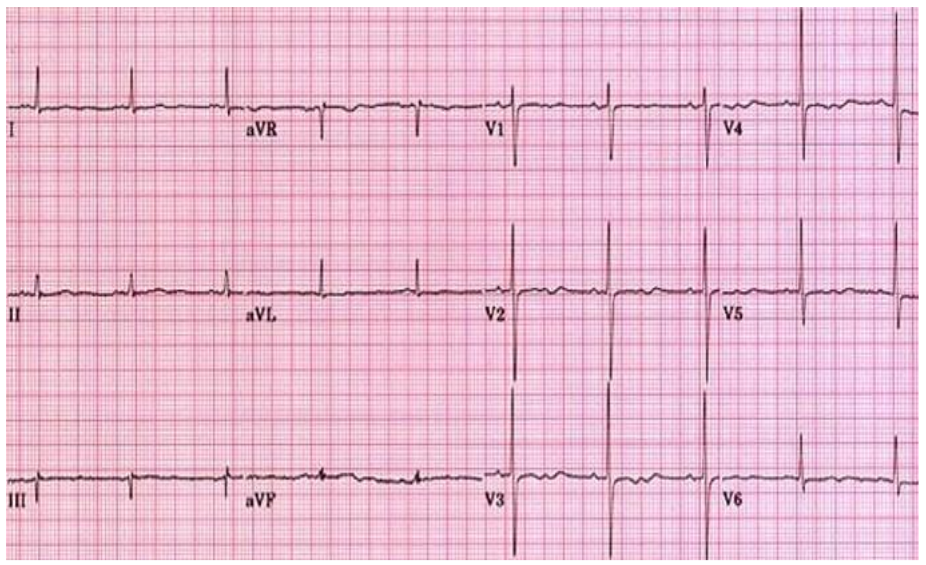
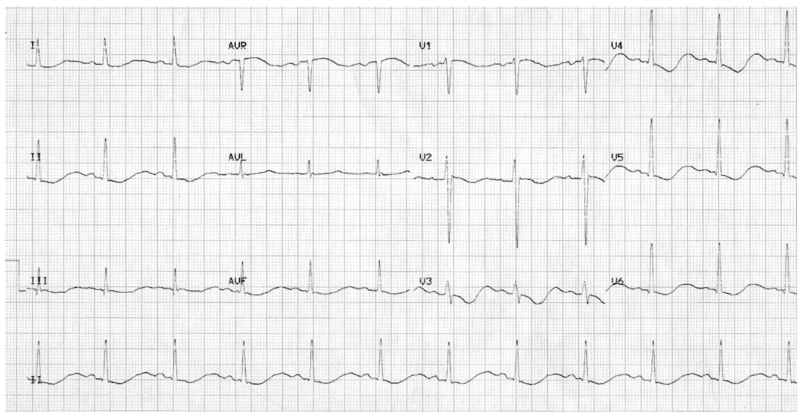
ResponseCharacteristics of hypokalaemia - Bradycardia, Long QT, T wave flatening/inversion, U waves. May see VEB’s. Risk of Ventricular arrhythmias - VT/VF/TdP
PromptAcute management of eating disorder patient
ResponseMultidisciplinary team approach including medical, psychiatric and SW
Treat shock - 20 mL/kg N/S - SBP >90, MAP >65, Urine >0.5 mL/kg/hr
If HR remains low + hypotension consider atropine 300 mic bolus (+infusion)
Identify and treat hypoglycaemia with 50 mL 50% dextrose
Electrolyte correction - K and Mg supplmeents
Thiamine 100 mg TDS + multivitamin supplements
Hypothermia treatment with passive warming (Bair hugger)
Medicine + Psych combined admission in order to commence feeding once shock has been managed.
Monitor closely for refeeding syndrome
Treat shock - 20 mL/kg N/S - SBP >90, MAP >65, Urine >0.5 mL/kg/hr
If HR remains low + hypotension consider atropine 300 mic bolus (+infusion)
Identify and treat hypoglycaemia with 50 mL 50% dextrose
Electrolyte correction - K and Mg supplmeents
Thiamine 100 mg TDS + multivitamin supplements
Hypothermia treatment with passive warming (Bair hugger)
Medicine + Psych combined admission in order to commence feeding once shock has been managed.
Monitor closely for refeeding syndrome
PromptGoals of management for anorexia nervosa
ResponseMedical stabilization of medical complications (Eg: CCF)
Prevent/manage refeeding syndrome
Weight restoration
Reversal of cognitive deficit due to starvation
Inpatient psychotherapy
Prevent/manage refeeding syndrome
Weight restoration
Reversal of cognitive deficit due to starvation
Inpatient psychotherapy
PromptConsent in anorexia nervosa - Risk assessment and can they DAMA if unwell
ResponseRisk assessment:
Presence of immediate life threats (arrhythmias, HF, Hypotension), other admission criteria
Capacity
Compliance with treatment
Suicide risk
Family/social support
HEADSS screen - Home life, education, eating, activities, drugs, sex
DAMA
If refusing treatment or lacks insight into condition - lacks capacity to consent. Under duty of care principal pt should be kept in hospital to receive above treatment if unable to consent. (Some questions state Mental health act. Probably too controversial for a defined question)
Verbal +NOK help >> MH team >> pharmacologic restraint.
This looks like a massive gray area
According to the Boss I did APLS with who was an eating disorder consultant the answer was “Both, usually MHA” - but remember this will be state specific
Presence of immediate life threats (arrhythmias, HF, Hypotension), other admission criteria
Capacity
Compliance with treatment
Suicide risk
Family/social support
HEADSS screen - Home life, education, eating, activities, drugs, sex
DAMA
If refusing treatment or lacks insight into condition - lacks capacity to consent. Under duty of care principal pt should be kept in hospital to receive above treatment if unable to consent. (Some questions state Mental health act. Probably too controversial for a defined question)
Verbal +NOK help >> MH team >> pharmacologic restraint.
This looks like a massive gray area
According to the Boss I did APLS with who was an eating disorder consultant the answer was “Both, usually MHA” - but remember this will be state specific
PromptDescribe refeeding syndrome
ResponseOccurs in the setting of severe malnourishment where there is protein catabolism with togal body phosphate depletion, despite normal serum phosphate
Nutritional support with introduction of carbohydrates leads to anabolic state unmasking total body phosphate depletion causing acute drop in serum phosphate, as insulin and glusoe cause massive uptake of phosphate, potassium, and mag into cells
https://www.youtube.com/watch?v=hMVGqnaVTg0 - Dr. James Townsend (now a Harvard and Allbright scholar you high achieving legend!)
Nutritional support with introduction of carbohydrates leads to anabolic state unmasking total body phosphate depletion causing acute drop in serum phosphate, as insulin and glusoe cause massive uptake of phosphate, potassium, and mag into cells
https://www.youtube.com/watch?v=hMVGqnaVTg0 - Dr. James Townsend (now a Harvard and Allbright scholar you high achieving legend!)
PromptComplications that may occur during the initial stages of refeeding (5)
ResponseHypomagnesaemia
Hypophosphataemia
Hypokalaemia
Hypocalcaemia
hypoglycaemia
Thiamine deficiency
Occult infection
CCF/Peripheral oedema
Rhabdomyolysis
Seizures
Haemolysis
Think Low CMP,K,BGL
Hypophosphataemia
Hypokalaemia
Hypocalcaemia
hypoglycaemia
Thiamine deficiency
Occult infection
CCF/Peripheral oedema
Rhabdomyolysis
Seizures
Haemolysis
Think Low CMP,K,BGL